Upgrade Your Outdoor Area: Expert Garden Design Tips for a Gorgeous Home Landscape
Converting an outdoor space into a gorgeous home garden involves careful design and conscious execution. By analyzing the distinctive characteristics of a yard, individuals can establish specific landscaping goals. Selecting vegetation thrive in the local climate is essential. Moreover, incorporating practical hardscape elements strengthens both beauty and usability. Still, the journey won't end at that point. Learning to maintain vibrancy and sustainability can uplift any landscape to the next level. What strategies drive lasting success?
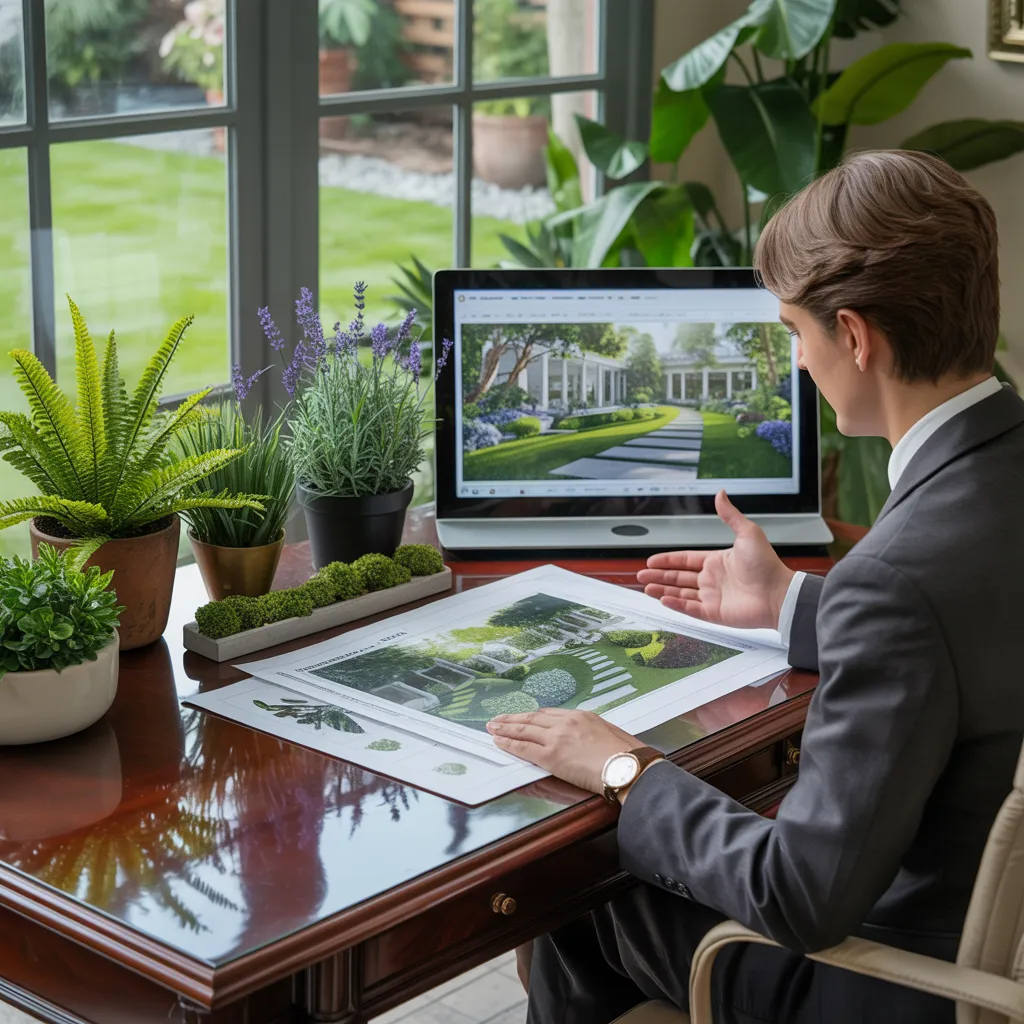
Assess Your Space to Define Your Landscaping Goals
Before starting on any garden work, it is vital for property owners to evaluate their outdoor space completely. This initial evaluation allows them to understand the distinct features of their yard, including sunlight exposure, ground composition, and existing vegetation. Identifying these elements assists with determining what types of design elements and features can be successfully incorporated into the space.
Homeowners should record measurements and document any obstacles including trees, barriers, or pathways that may affect the design. Moreover, understanding individual tastes and living requirements—including areas for entertainment, growing plants, or leisure—can guide the landscaping goals. By specifically establishing these objectives, property owners set a strong base for a unified and practical outdoor environment. This thoughtful assessment ultimately leads to a more successful and satisfying landscaping project, guaranteeing the outdoor space not just improves the home's aesthetic but also satisfies the practical needs of its residents.
Select the Best Plants for Your Local Climate
Selecting ideal vegetation for a particular region is critical for establishing a thriving outdoor space. Grasping regional climate conditions, such as heat levels, precipitation, and moisture levels, supports homeowners choose vegetation that will thrive. Indigenous vegetation typically adjust best, needing less upkeep and irrigation. As an instance, water-efficient plants are perfect for dry climates, whereas water-preferring plants thrive in humid climates.
Gardeners should also consider seasonal changes; selecting plants that provide year-round interest improves the garden. Spring-flowering plants, summer perennials, and colorful autumn leaves can create a striking visual display. Furthermore, consulting local gardening centers or agricultural resources can offer helpful information into hardy plant varieties adapted for particular regions.
In the end, a strategically designed vegetation arrangement improves not just visual appeal but additionally promotes local wildlife and supports ecological health, making it a smart decision for every outdoor space transformation.
Enhance Your Garden With Structural Outdoor Design Elements
Functional hardscaping elements serve as essential components in structuring exterior environments and boosting their practical value. By integrating sitting zones and thoughtfully constructed walkways, homeowners can create appealing outdoor areas that encourage relaxation and movement. Additionally, edging can define different zones within the garden, establishing layout and visual interest.
Establish Your Garden Setting
Creating a well-organized outdoor space can transform a garden into a pleasant sanctuary. One reliable technique to achieve this is through functional hardscaping elements, which provide organization and arrangement. Pathways made from natural stone or brick guide guests while enhancing aesthetics. Retaining barriers can form tiered levels, enhancing the garden's overall design and preventing soil degradation. Barriers or lattices can establish boundaries, ensuring seclusion and a feeling of containment. Adding elevated planting areas not only establishes growing zones but also improves accessibility. These elements function together to establish separate areas that enhance both aesthetics and functionality. Ultimately, a thoroughly structured outdoor space creates a peaceful setting where homeowners can relax and enjoy nature.
Incorporate Seating Areas
Incorporating sitting zones into an exterior environment greatly improves its functionality and appeal. By integrating functional hardscaping elements, homeowners can establish welcoming areas for rest, gathering, or appreciating the outdoors. Options include benches, patio sets, or hammocks, each adding to the landscape's visual charm and convenience. Carefully positioning chairs near prominent areas like plantings or decorative pools, encourages users to engage with their surroundings. Additionally, using materials like stone or wood can enhance the landscape's appearance, ensuring a cohesive look. Protective coverings, such as pergolas or umbrellas, provide comfort during warmer months, keeping these spaces accessible year-round. Ultimately, well-designed seating areas transform an ordinary garden into a welcoming retreat for guests and loved ones.
Add Pathways And Edges
Pathways and borders are essential aspects in garden design, leading people through your garden while reinforcing its structural value. These generate arrangement and circulation, facilitating the identification of different regions and botanical choices. Stone, gravel, or brick materials can establish sturdy passages, whereas natural borders from vegetation or ornamental fencing increase aesthetic quality. Pathways can encourage discovery, highlighting focal points such as garden beds or water features. Well-designed borders stop weed growth and ground deterioration, promoting garden health. In summary, adding pathways and borders boosts utility and adds visual sophistication to your exterior space, creating environments that are more welcoming and satisfying.
Build Movement Using Walkways and Seating Arrangements
A well-planned garden setting typically includes a balanced circulation established through deliberately situated walkways and rest zones. Walkways direct guests across the garden, providing a definite sense of orientation while enriching the general visual quality. Selecting options such as wood, stone, or gravel can add to the walkway's aesthetic value and ensure longevity.
Seating zones supply stopping places, welcoming people to rest and savor the setting. Placing seating thoughtfully near key features, such as a pond or a garden bed, inspires connection with the landscape. The type of seating—stools, benches, or even recliners—may shape the feeling, whether it be informal or elegant.
Incorporating both pathways and seating fosters an inviting environment, enhancing usability and enjoyment. Together, they create a seamless shift between different areas of the garden, promoting exploration and relaxation, ultimately transforming any outdoor space into a tranquil retreat.
Enhance Your Landscape With Seasonal Hues and Variety
To boost the decorative value of a garden, strategic selection of seasonal species is vital. Mixing contrasting surface qualities can establish dimension and appeal, while intentionally positioned centers of interest can grab focus and establish a harmonious arrangement. These components in combination promise a vibrant and active outdoor area across the year.
Pick Seasonal Plants Deliberately
Choosing plants for different seasons thoughtfully can convert your garden into a stunning array of hues and forms. By selecting plants that bloom at different times throughout the year, gardeners can ensure an ongoing showcase of flowers. Spring bloomers, summer annuals, fall perennials, and winter evergreens each add distinctive colors and shapes to the landscape. It is essential to take into account regional access now weather patterns and soil composition, as well as the plants' growth habits. Regional native plants often thrive better and require less maintenance, enhancing biodiversity. Additionally, mixing different plant sizes and flowering schedules can create a dynamic visual effect. Ultimately, mindful plant choices fosters a garden that evolves with the seasons, offering a delightful experience year-round.
Establish Textured Layers To Generate Depth
Creating garden depth involves layering textures that complement and enhance seasonal color. By incorporating a variety of plants with differing foliage shapes, sizes, and colors, one can produce an engaging garden design. For instance, the use of broad-leaved plants alongside fine-textured grasses can establish visual interest and appeal. Additionally, integrating bark, stones, and other natural materials introduces sensory touches that improve the complete landscape. Flowering plants need to be strategically positioned to provide bursts of color throughout the year, ensuring that each layer remains visually interesting. This thoughtful arrangement not only draws the eye across the garden but also fosters an immersive atmosphere where each element adds to the garden's overall beauty and balance.
Use Focal Points Strategically
Carefully adding focal points can significantly improve a garden's aesthetic appeal and seasonal vibrancy. These focal points serve as anchors that draw the eye and create a cohesive design. Gardeners can use elements such as sculptures, ornamental trees, or vibrant flower beds to create visual appeal. Seasonal color can be infused via the thoughtful choice of plants with varied bloom periods, ensuring that the garden remains dynamic throughout the year. Texture variations also matter greatly; combining smooth stone paths with rough bark or lush foliage creates dimension. By thoughtfully placing these elements, a gardener can create an inviting atmosphere that encourages exploration and appreciation, transforming an outdoor space into an engaging retreat.
Implement Sustainable Methods to Cultivate a Healthy Garden
Embracing green approaches is crucial for fostering a vibrant garden that thrives in harmony with the surroundings. Horticulturists are urged to use indigenous flora, which necessitate reduced irrigation and maintenance while enhancing area animals. Using organic growing methods, such as nutrient enrichment and biological insect management, can substantially minimize chemical applications, creating a stronger ecosystem
Moisture-conserving approaches, comprising drip irrigation and rainwater harvesting, enhance green practices by maximizing resource use. Mulch application preserves soil water additionally prevents weed growth, minimizing the demand for weed killers. Moreover, encouraging ecological diversity by adding multiple plant types fosters resistance against pest infestations along with diseases.
Soil quality is essential; strategies such as crop cycling and soil-covering plants maintain nutrient content without chemical fertilizers. Through adopting these sustainable practices, growing enthusiasts can create an excellent area that fosters plant life and the environment, producing a greater gardening pleasure.
Troubleshoot Frequent Problems for Year-Round Garden Appeal
A well-kept garden can experience numerous problems throughout the year, influencing its total appearance and condition. Common issues involve pest outbreaks, insufficient nutrients, along with insufficient water. Identifying pests early is critical; horticulturists should regularly review vegetation for signs of damage along with address pest outbreaks with organic pesticides or adding predatory insects.
Lacking minerals often show as yellow foliage as well as limited growth. Performing soil analysis can help determine specific needs, making possible to enable focused fertilization Lacking minerals often appear as discolored leaves or reduced growth. Conducting soil analysis can help establish specific demands, making possible precise nutrient application bringing back balance. Moreover, guaranteeing correct watering is important; excessive watering can cause root decay, whereas underwatering challenges growing things.
Seasonal changes moreover necessitate adaptations to maintenance. Over winter, using mulch safeguards root areas from cold, on the other hand warm months might necessitate higher water needs along with shade to protect fragile plants. By tackling such frequent challenges promptly
Is it Better to Execute Garden Design Myself or Bring in a Professional?
Certainly, you can handle landscaping projects yourself, leveraging internet information and innovation. Nonetheless, employing a specialist guarantees knowledge, efficiency, and potentially superior results, specifically for complex designs or extensive work requiring advanced techniques.
What Implements Are Essential for Yard Landscaping?
Required tools for yard landscaping include a rake, spade, shovel, hedge shears, garden fork, and a watering hose or watering can. These equipment support efficiently handle soil, plants, and comprehensive garden care, guaranteeing professional landscaping.
How Can I Successfully Keep My Garden Across the Growing Season?
For keeping a yard all year long, you should consistently prune greenery, use wood mulch for protection, track water levels, and implement seasonal planting approaches. In addition, pest control and fertilization are required for flourishing, vibrant plants.